

CASE STUDY
GW Biocarbons at
Waste Management
Landfill, Houston, Texas (March 2026)

44% Cost Reduction
Our proven method significantly reduced management costs from the industry average of $0.25 per gallon to $0.14 per gallon. This cost efficiency translates into substantial savings for landfill operators.

$2.4M Annual Savings
With our biochar production system operating at 60,000 gallons per day (GPD), the landfill realized $2.4 million in annual savings, demonstrating the economic viability of our approach.

Predictable Budgeting
By eliminating volatile third-party hauling fees and disposal site surcharges, the Waste Management Landfill achieved predictable budgeting, which streamlined financial planning and decision-making.
In March 2026, GW Biocarbons successfully implemented our innovative biochar production system at the Waste Management Landfill in Houston, Texas. This project showcases the effectiveness of our solutions in reducing costs, enhancing environmental safety, and providing significant return on investment (ROI).

Why is Offsite Leachate Transportation a Problem?
The process of transporting and injecting leachate can incur high operational costs, including transportation fees and well maintenance, which can burden landfill budgets.
Costly
Operations:
1
There is a risk of leachate contaminating underground water sources if not managed properly. This can lead to severe environmental damage and potential legal liabilities for landfill operators.
Potential Environmental Hazards:
2
The injection of leachate is heavily regulated and can result in complications with state and federal regulatory bodies, should any environmental impacts arise.
Regulatory Compliance:
3
Communities are increasingly concerned about environmental practices. The use of deep well injection can lead to public mistrust and opposition, affecting the landfill's reputation and operations.
Public Perception:
4
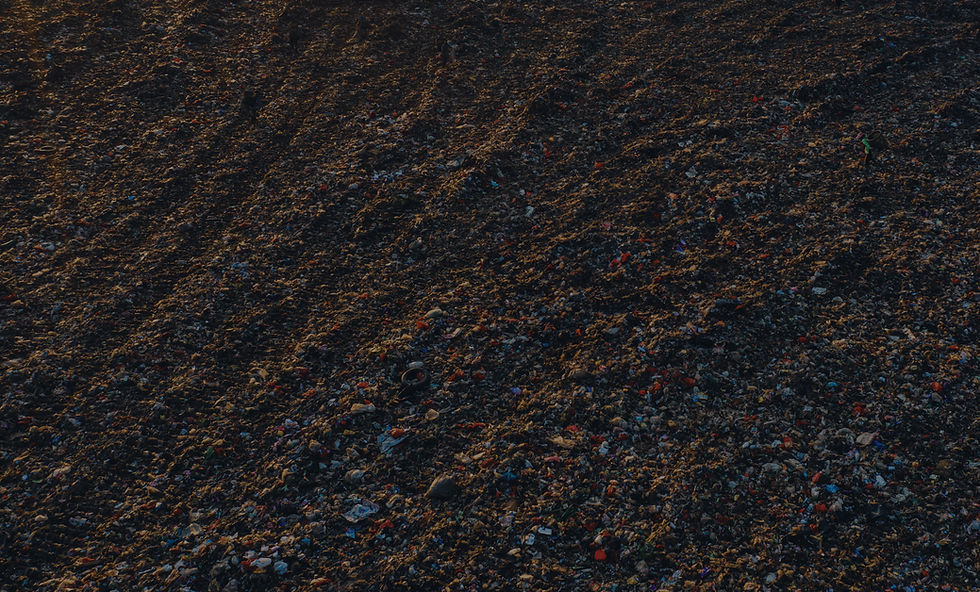
By utilizing GW Biocarbons' biochar production system, the Waste Management Landfill not only saved significantly on operational costs but also adopted a sustainable solution that mitigates the risks associated with leachate injection. Our proven method provides an environmentally responsible alternative that aligns with modern regulatory standards and community expectations.